
















Canopies & Shelters Buyer’s Guide
How to Choose Durable, Practical & Weather-Resistant Outdoor Shelters in the UK
Outdoor canopies and shelters play an important role in making commercial, public, education, transport, and residential environments safer, more usable, and more comfortable throughout the year.
Whether you need to protect pedestrians, pupils, staff, customers, bicycles, entrances, outdoor seating areas, or equipment, the right shelter can improve site accessibility, reduce weather disruption, and enhance the appearance of your outdoor space.
At Speedy Street Solutions Ltd, we supply high-quality canopies and shelters for schools, businesses, local authorities, contractors, developers, transport hubs, and public sector sites across the UK.
This guide explains how to choose the right outdoor shelter or canopy for your location, including planning, materials, roofing options, installation, maintenance, and long-term value.
Contents
- What Is the Difference Between a Canopy and a Shelter?
- Key Considerations When Choosing Outdoor Shelters
- Spatial Planning and Layout Requirements
- Safety, Security and Vandal Resistance
- Accessibility and User Convenience
- Environmental Conditions and Site Exposure
- Types of Outdoor Shelters and Canopies
- Planning Permission and Building Regulations
- Health and Safety Considerations
- Framework Materials and Construction
- Shelter Roofing Materials
- Installation: What to Expect
- Future Trends in Outdoor Shelters
- Why Choose Speedy Street Solutions?
- Canopies and Shelters FAQs
What Is the Difference Between a Canopy and a Shelter?
Although the terms are often used together, canopies and shelters usually serve slightly different purposes.
A canopy is typically used to cover walkways, entrances, outdoor seating areas, playgrounds, or transition spaces between buildings. It helps people move between areas while protected from rain, wind, or sun.
A shelter is usually a fixed structure designed for people, bicycles, equipment, bins, or waiting areas. It provides a dedicated protected space where users can stop, wait, park, or store items.
In simple terms:
- A canopy helps people move comfortably
- A shelter gives people or equipment a protected place to stay
Both can improve site usability, accessibility, safety, and long-term value.
Key Considerations When Choosing Outdoor Shelters
Choosing the right canopy or shelter requires more than selecting a shape and colour. The best solution depends on your site, users, exposure level, planning requirements, budget, and expected lifespan.
Important factors include:
- Purpose of the structure
- Location and available space
- Expected footfall or usage
- Wind, rain, snow, and coastal exposure
- Accessibility requirements
- Materials and finish
- Security and vandal resistance
- Planning permission
- Installation access
- Future maintenance
A well-planned shelter should look good, perform reliably, and remain safe and useful for many years.
Spatial Planning and Layout Requirements
Before choosing a shelter design, it is essential to assess the space where it will be installed.
Important Site Planning Considerations
Consider:
- Pedestrian routes
- Vehicle access
- Emergency access
- Existing street furniture
- Drainage
- Underground services
- Building entrances
- Visibility and sightlines
- Future expansion
The best shelters are positioned where people naturally wait, gather, walk, or park bicycles. Installing a shelter in the wrong location can reduce usage, create obstructions, or cause safety issues.
For schools, transport hubs, and business parks, modular shelter designs can be particularly useful because they allow future expansion as demand grows.
Safety, Security and Vandal Resistance
Outdoor shelters are often installed in exposed or unsupervised areas, so robust construction is essential.
Features of a Secure Outdoor Shelter
A secure shelter should include:
- Strong steel framework
- Tamper-resistant fixings
- Impact-resistant roof or side panels
- Anti-corrosion finishes
- Good visibility
- Optional lighting
- CCTV-friendly positioning
Open-sided designs can help improve natural surveillance, reducing hidden areas where anti-social behaviour may occur.
For high-risk locations, such as public transport stops, schools, retail parks, and cycle storage areas, vandal-resistant materials such as galvanised steel and polycarbonate are often recommended.
Accessibility and User Convenience
Outdoor shelters should be usable by everyone, including wheelchair users, older people, children, cyclists, and people with limited mobility.
Accessibility Features to Consider
Good accessibility includes:
- Step-free access
- Wide approach routes
- Clear entrances
- Adequate internal space
- Non-slip surfacing
- Suitable seating where required
- Visual contrast
- Clear signage
- Appropriate lighting
For public spaces and workplaces, accessibility should be considered from the earliest design stage rather than added later.
Environmental Conditions and Site Exposure
The UK climate can place significant demands on outdoor structures. Rain, frost, wind, UV exposure, pollution, and coastal salt air can all affect durability.
Site Exposure Considerations
Before selecting a shelter, consider whether the site is:
- Coastal
- Exposed
- Rural
- Elevated
- Urban
- Subject to heavy footfall
- Prone to high winds
- Likely to experience snow loading
Shelters in exposed locations may require enhanced structural design, stronger fixings, and corrosion-resistant finishes.
Roof pitch, drainage, guttering, and water run-off must also be considered to avoid pooling, leaks, or surface flooding.
Types of Outdoor Shelters and Canopies
Entrance Canopies
Entrance canopies protect visitors, staff, pupils, and customers as they enter or leave a building.
They are ideal for:
- Schools
- Offices
- Retail units
- Healthcare facilities
- Apartment blocks
- Public buildings
They improve first impressions while reducing slip risks around doorways.
Covered Walkways
Covered walkways connect buildings and outdoor areas while keeping users protected from rain and wind.
Common applications include:
- Schools and colleges
- Hospitals
- Business parks
- Transport sites
- Leisure centres
- Public sector buildings
They are especially useful on large sites where users regularly move between separate buildings.
Cycle Shelters
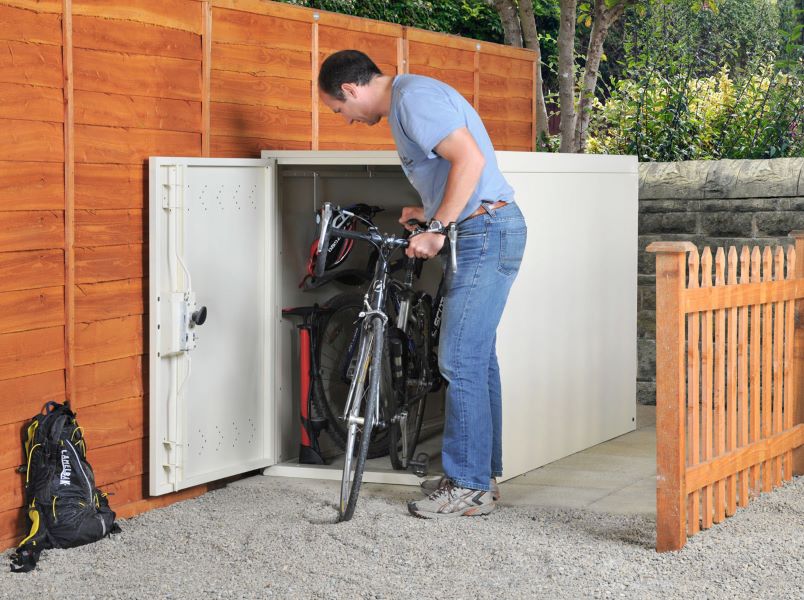
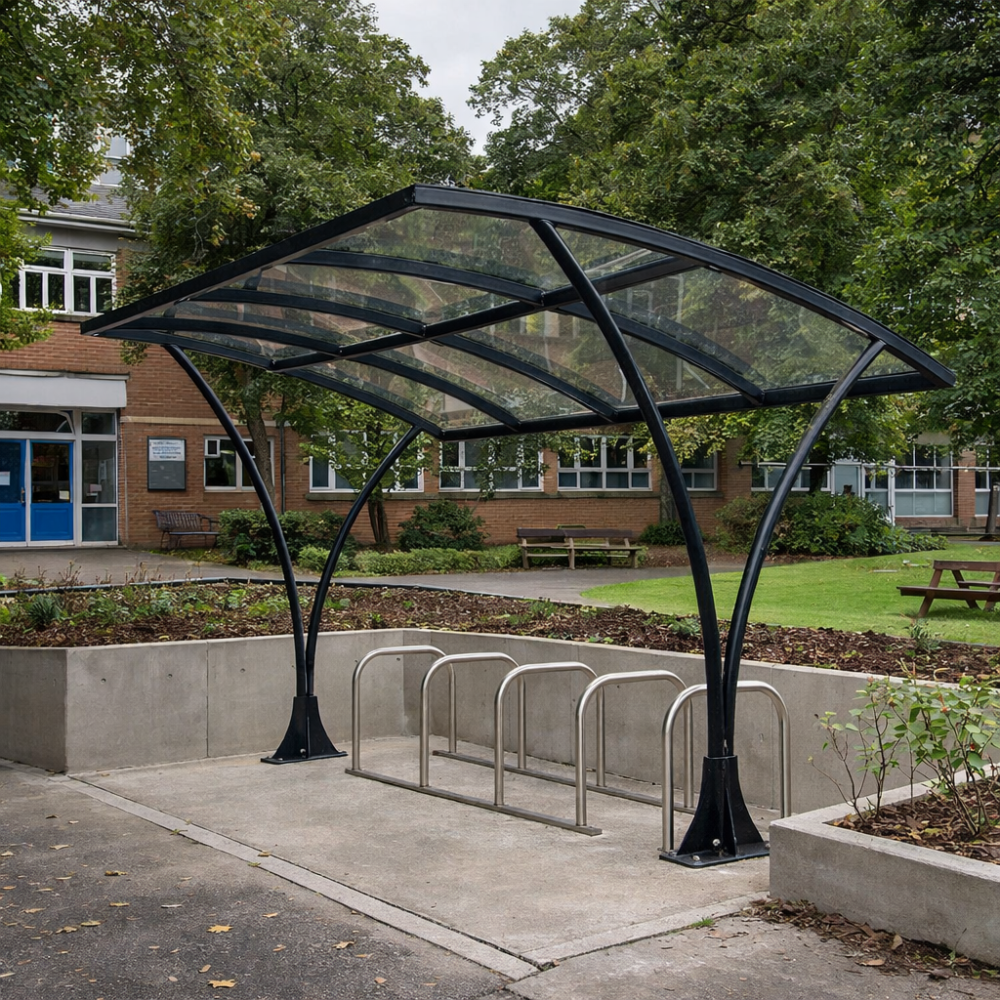
Cycle shelters provide secure, weather-protected bike parking.
They are commonly used by:
- Schools
- Workplaces
- Universities
- Railway stations
- Retail parks
- Residential developments
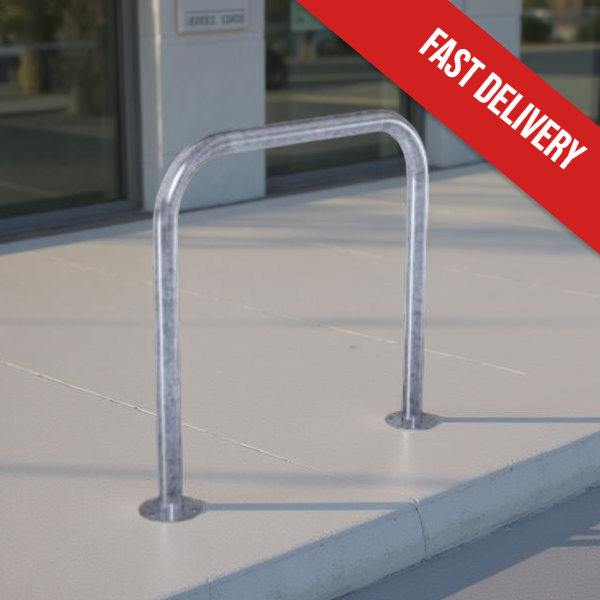
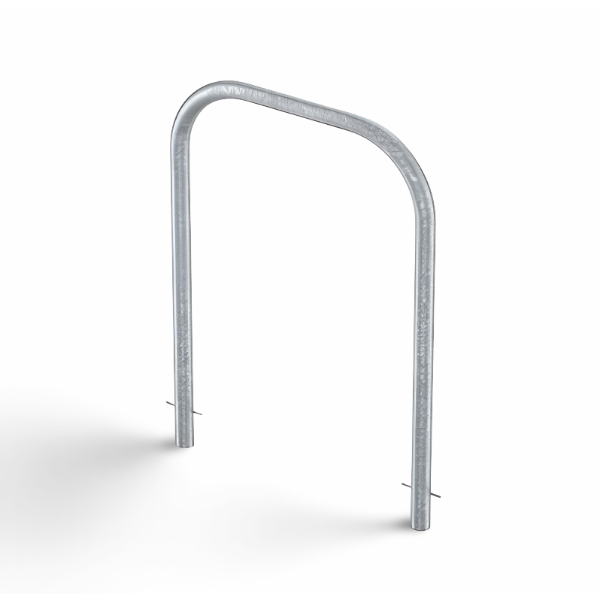
Cycle shelters can be supplied with Sheffield stands, toast racks, two-tier racks, or secure compounds depending on capacity and security requirements.
Waiting Shelters
Waiting shelters provide protection for people using public spaces, transport stops, taxi ranks, and visitor areas.
They can include:
- Seating
- Lighting
- Side panels
- Signage
- Advertising panels
- Solar options
Smoking Shelters
Smoking shelters provide designated outdoor smoking areas while helping organisations manage compliance and site cleanliness.
They are popular for:
- Factories
- Warehouses
- Offices
- Hospitals
- Distribution centres
- Hospitality venues
Bin and Equipment Shelters
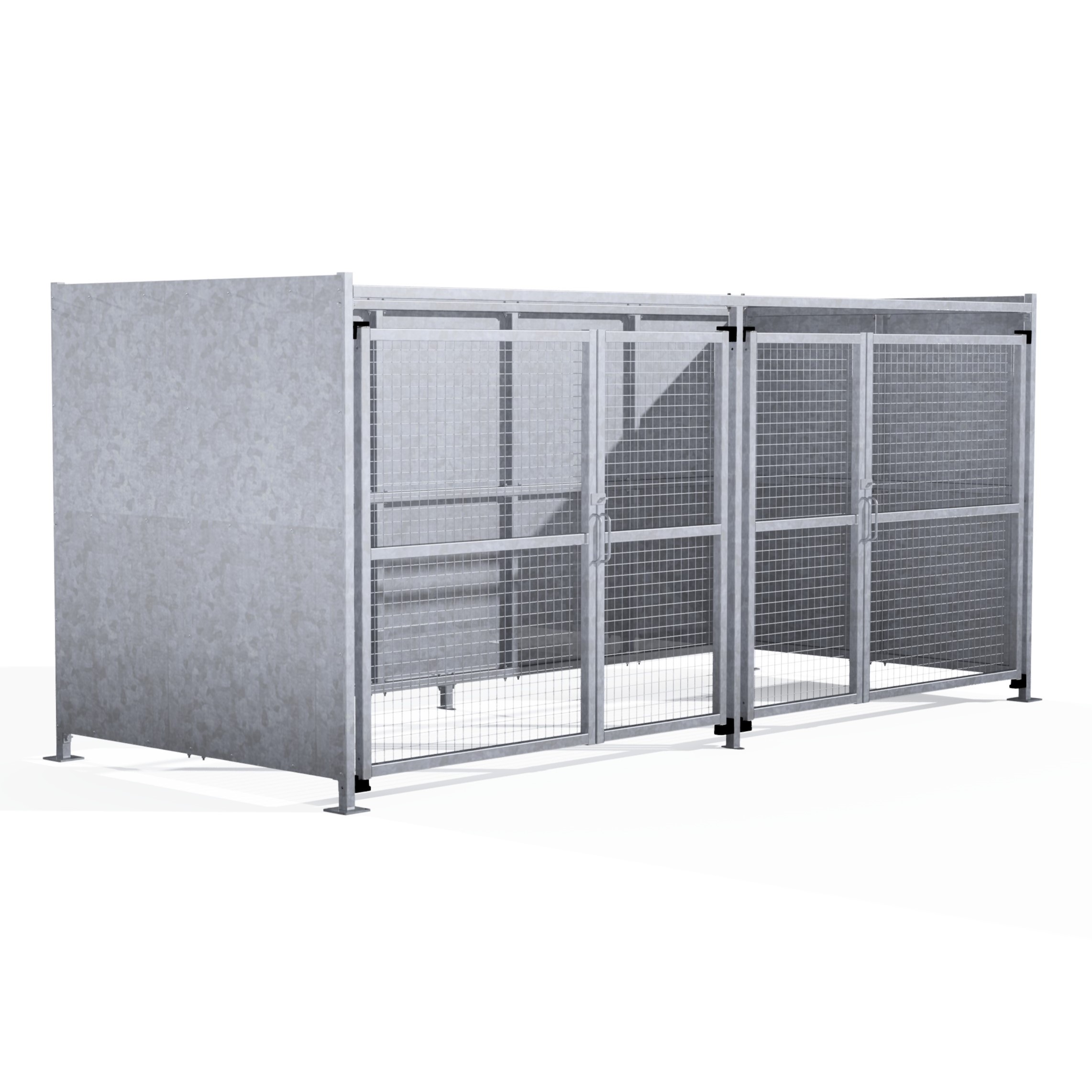
Bin shelters and storage shelters help keep sites tidy, organised, and protected from weather.
They are suitable for:
- Commercial premises
- Apartment blocks
- Schools
- Industrial estates
- Retail parks
- Public buildings
Outdoor Dining and Playground Canopies
Outdoor canopies are increasingly popular in schools, cafés, hospitality spaces, and leisure settings.
They create covered areas for:
- Outdoor learning
- Breaktimes
- Dining
- Seating
- Queuing
- Social spaces
Planning Permission and Building Regulations
When Planning Permission May Be Required
Some small shelters and canopies may fall under permitted development, but this is not always guaranteed.
Planning permission may be required where the structure is:
- Large
- Close to a boundary
- Attached to a building
- In a conservation area
- Near a listed building
- In a public space
- Visually prominent
- Likely to affect neighbours or access routes
It is always worth checking with the local planning authority before installation.
Building Regulations may also apply if the canopy is attached to a building or affects access, fire safety, drainage, or structural performance.
Health and Safety Considerations
For workplaces, schools, public spaces, and commercial sites, health and safety must be considered throughout the project.
Key Health and Safety Considerations
Key areas include:
- Safe access and egress
- Fire escape routes
- Slip-resistant surfaces
- Structural safety
- Installation risk assessments
- Maintenance access
- Lighting
- Weather run-off
- Public protection during installation
Installations should be completed by competent teams following relevant health and safety procedures.
Framework Materials and Construction
Galvanised Steel
Galvanised steel is one of the most popular materials for outdoor shelters due to its strength, durability, and corrosion resistance.
Benefits include:
- Excellent structural strength
- Strong weather resistance
- Long service life
- Low maintenance
- Good value for money
- Suitable for high-traffic environments
It is ideal for schools, public spaces, transport sites, workplaces, and commercial locations.
Powder-Coated Steel
Powder-coated steel provides the strength of steel with added colour and design flexibility.
Benefits include:
- Wide range of colour options
- Brand-matching potential
- Improved visual appeal
- Additional protective coating
- Suitable for public realm projects
Powder coating is ideal where aesthetics and site branding are important.
Stainless Steel
Stainless steel offers a premium finish for architectural and high-profile projects.
Benefits include:
- Contemporary appearance
- Strong corrosion resistance
- Long lifespan
- Excellent for prestigious sites
- Suitable for coastal or urban locations
It is often chosen for entrances, civic spaces, commercial developments, and public buildings.
Aluminium
Aluminium is lightweight and corrosion resistant, but it is generally less robust than steel.
It may be suitable for smaller or specialist applications, but galvanised steel is usually preferred where strength, impact resistance, and long-term durability are priorities.
Shelter Roofing Materials
Polycarbonate Roofing
Polycarbonate is one of the most widely used shelter roofing materials.
Benefits include:
- Lightweight
- Impact resistant
- Allows natural light through
- UV protection
- Good value
- Suitable for schools and public spaces
Multiwall polycarbonate can also provide improved insulation and reduced heat build-up.
PET Roofing
PET roofing provides a clear, glass-like appearance with strong impact resistance.
Benefits include:
- High transparency
- Strong visual appeal
- Good impact resistance
- Easier cleaning
- Suitable for modern canopy designs
It is often used where appearance and visibility are important.
Steel Roof Cladding
Trapezoidal steel roof cladding is a highly durable roofing option.
Benefits include:
- Maximum weather protection
- Long lifespan
- Strong impact resistance
- Excellent water run-off
- Powder-coated colour options
It is ideal for industrial, commercial, school, and high-use environments.
Glass Roofing
Glass roofing provides a premium architectural finish.
Benefits include:
- High-end appearance
- Excellent natural light
- Suitable for entrance canopies
- Strong design impact
However, it is usually more expensive and requires careful specification for safety and maintenance.
Fabric Canopies
Fabric canopies create a modern, lightweight appearance and are popular for outdoor seating, playgrounds, and leisure environments.
Benefits include:
- Attractive architectural design
- UV protection
- Large-span coverage
- Soft visual appearance
- Good for shaded areas
Tensile fabric canopies provide better rain protection than shade cloth structures.
Shade Cloth vs Tensile Fabric Canopies
A shade cloth canopy is mainly designed for sun protection. It allows airflow and provides UV protection but is usually not fully waterproof.
A tensile fabric canopy is a more robust all-weather option. It is typically made from high-performance PVC membrane and provides protection from both sun and rain.
For year-round UK use, tensile fabric is usually the better long-term solution.
Shelter Installation: What to Expect
A successful canopy or shelter installation starts with accurate planning.
Typical installation stages include:
- Site survey
- Product specification
- Design confirmation
- Foundation planning
- Delivery scheduling
- Installation
- Final checks and handover
Before installation, the site should be checked for:
- Ground conditions
- Underground services
- Access routes
- Delivery space
- Drainage
- Level surfaces
- Nearby buildings or obstructions
For larger projects, Risk Assessments and Method Statements may be required.
Maintenance and Long-Term Durability
A high-quality shelter should provide many years of reliable service, but routine maintenance helps maximise lifespan.
Recommended maintenance includes:
- Cleaning roof panels
- Checking fixings
- Inspecting steelwork
- Clearing gutters
- Removing debris
- Checking drainage
- Repairing damaged coatings
- Cleaning graffiti quickly
Galvanised and stainless steel shelters usually require less maintenance than painted or lower-grade alternatives.
Future Trends in Outdoor Shelters
Outdoor shelters and canopies are evolving as organisations place more focus on sustainability, accessibility, and active travel.
Growing Trends in Shelter Design
Current trends include:
- Larger school shelters
- Outdoor classrooms
- Cycle shelters
- Green roof canopies
- Solar lighting
- Integrated seating
- Modular structures
- Low-maintenance materials
- Secure cycle compounds
- Bespoke colour finishes
Green roofs and sedum roof systems are becoming particularly popular for projects focused on biodiversity and sustainability.
Why Choose Speedy Street Solutions Ltd?
Speedy Street Solutions supplies durable, practical, and cost-effective outdoor shelters and canopies for commercial, public sector, and private developments throughout the UK.
Shelter Solutions We Supply
We can support projects including:
- School canopies
- Cycle shelters
- Waiting shelters
- Smoking shelters
- Entrance canopies
- Covered walkways
- Bin shelters
- Outdoor dining canopies
- Public realm shelters
- Bespoke shelter systems
Customers choose Speedy Street Solutions because we offer:
- UK-wide supply
- Competitive pricing
- High-quality materials
- Strong, durable construction
- Fast lead times
- Expert product advice
- Bespoke options
- Installation support
Canopies and Shelters FAQs
What is the difference between a canopy and a shelter?
A canopy usually covers a walkway, entrance, or outdoor area, while a shelter provides a protected space for people, bikes, bins, or equipment.
Do I need planning permission for a shelter or canopy?
Small structures may not need planning permission, but larger canopies, public installations, or structures near listed buildings may require approval.
What is the best material for outdoor shelters?
Galvanised steel is one of the best all-round options because it is strong, durable, weather resistant, and cost-effective.
Are outdoor shelters suitable for year-round use?
Yes. When correctly specified, outdoor shelters can provide reliable protection from rain, wind, sun, frost, and snow throughout the year.
Can shelters be customised?
Yes. Shelters can often be customised with different sizes, colours, roofing materials, side panels, seating, lighting, signage, and cycle parking options.
What roofing material is best for a canopy?
Polycarbonate is a popular choice for natural light and impact resistance, while steel cladding offers maximum durability and weather protection.
How long does installation take?
Installation time depends on the size, foundation requirements, access, and site conditions. Small shelters may be installed quickly, while larger bespoke structures require more planning.
Can shelters include lighting or solar panels?
Yes. Many shelters can include lighting, solar panels, CCTV compatibility, seating, charging points, or access control depending on the application.
What maintenance is required?
Basic maintenance includes cleaning, checking fixings, clearing gutters, inspecting coatings, and removing debris or graffiti.
For expert advice on outdoor shelters, school canopies, cycle shelters, and commercial canopy systems, contact Speedy Street Solutions Ltd today.