
















How to Choose the Right Bollards for Security, Traffic Control & Public Spaces
Bollards are one of the most important elements of modern street furniture and perimeter protection. From protecting pedestrians and buildings to controlling vehicle access and improving public space design, bollards play a critical role in safety, security, and traffic management.
At Speedy Street Solutions Ltd, we supply a wide range of high-quality bollards for councils, schools, retail parks, commercial premises, public sector projects, industrial sites, and urban developments across the UK.
This buyer’s guide explains everything you need to know before choosing bollards, including types, materials, installation methods, security considerations, regulations, and long-term durability.
Contents
- Why Bollards Matter
- Understanding the Role of Bollards
- Types of Bollards
- Choosing the Right Bollard Material
- Bollard Installation Methods
- Design & Aesthetic Considerations
- Regulations & Spacing Guidelines
- Security & Anti-Ram Bollards
- Coastal & Corrosion Protection
- Sustainability & Environmental Considerations
- The History of Bollards
- Why Choose Speedy Street Solutions?
- Bollards FAQs
Why Bollards Matter
Bollards are designed to protect people, buildings, vehicles, and infrastructure while helping organise and control outdoor spaces.
They are commonly used to:
- Separate pedestrians from vehicles
- Prevent vehicle access
- Protect buildings and storefronts
- Guide traffic flow
- Secure restricted areas
- Prevent accidental collisions
- Improve public safety
- Enhance streetscape design
- Define boundaries and pathways
Modern bollards combine functionality, durability, and visual appeal, making them essential for both security and public realm projects.
Understanding the Role of Bollards
Safety and Protection
One of the main reasons bollards are installed is to improve safety.
Bollards create a physical barrier between vehicles and pedestrians, helping reduce the risk of accidental collisions while protecting buildings, outdoor seating areas, shopfronts, and infrastructure.
They are commonly installed in:
- High streets
- Pedestrian zones
- Schools
- Hospitals
- Retail parks
- Public squares
- Car parks
- Industrial sites
Traffic Management & Access Control
Bollards are also widely used to manage vehicle movement and access.
They help:
- Restrict unauthorised access
- Define entry and exit routes
- Control parking
- Separate traffic lanes
- Protect loading areas
- Create pedestrian-only zones
Removable and retractable bollards provide additional flexibility where occasional vehicle access is required.
Streetscape & Public Realm Design
Modern bollards are not purely functional. They also contribute to the visual identity of a space.
Decorative bollards can complement:
- Existing architecture
- Street furniture schemes
- Heritage environments
- Contemporary developments
- Landscaping projects
The right design helps create a cohesive and professional public realm appearance.
Wayfinding & Demarcation
Bollards help guide movement and define boundaries without requiring large barriers or fencing.
Features such as:
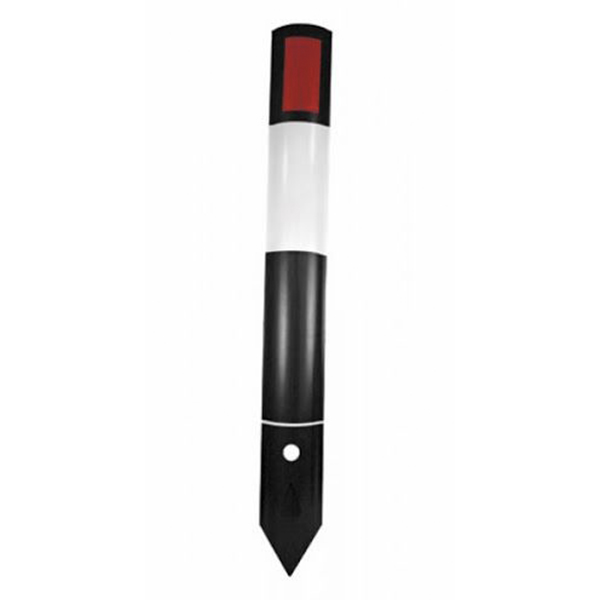
- Reflective bands
- Contrasting colours
- Integrated lighting
- Decorative tops
can improve visibility and navigation in both day and night conditions.
Types of Bollards
Fixed Bollards
Fixed bollards are permanently installed and provide continuous protection.
Benefits include:
- High durability
- Strong impact resistance
- Low maintenance
- Long-term security
They are ideal for:
- Pedestrian zones
- Building protection
- Perimeter security
- Streetscapes
- Commercial premises
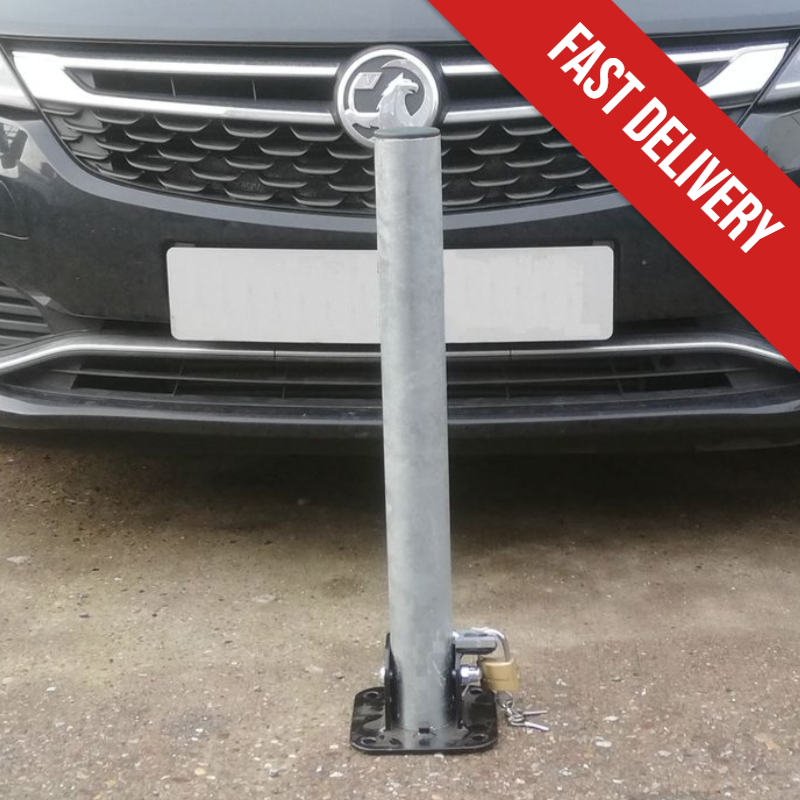
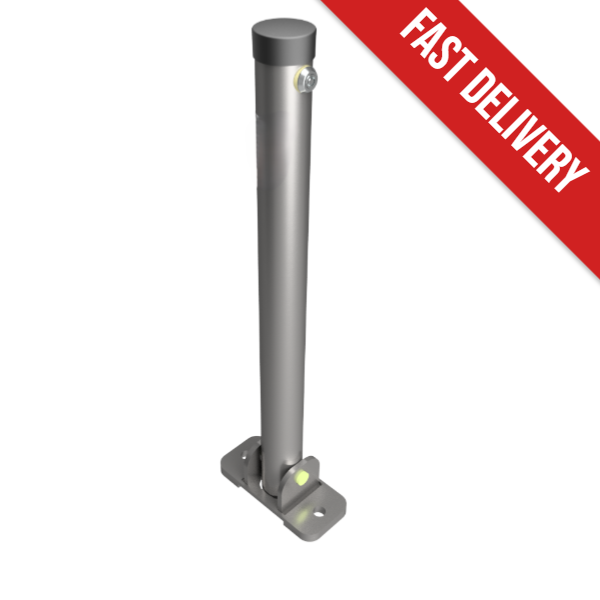
Removable Bollards
Removable bollards provide controlled access where flexibility is required.
They are commonly used for:
- Emergency access routes
- Event spaces
- Service yards
- Shared-use areas
- Temporary vehicle restrictions
Most removable bollards use lockable ground sockets for security.
Retractable & Telescopic Bollards
Retractable bollards can be lowered into the ground when access is required.
Advantages include:
- Space-saving design
- Flexible access control
- Cleaner appearance
- Improved traffic management
Available options include:
- Manual telescopic bollards
- Automatic rising bollards
- Hydraulic security bollards
These are ideal for:
- Driveways
- Private roads
- Commercial entrances
- Restricted access areas
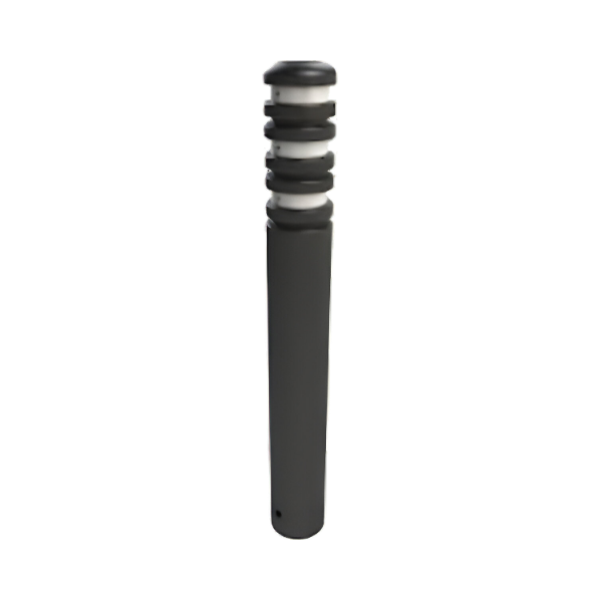
Decorative & Architectural Bollards
Decorative bollards combine safety with visual design.
They are available in:
- Stainless steel
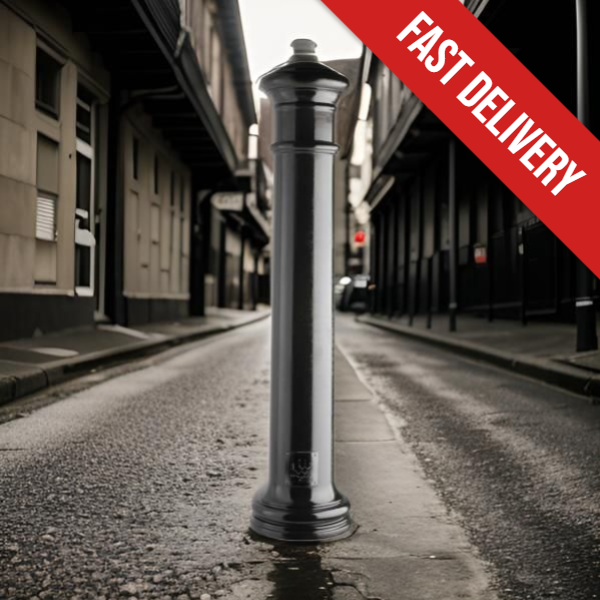
- Cast iron
- Timber
- Concrete
- Powder-coated steel
Architectural bollards are widely used in:
- Public realm projects
- Town centres
- Heritage sites
- Retail developments
- Commercial landscapes
Security & Anti-Ram Bollards
Security bollards are engineered to stop vehicles at controlled speeds and weights.
They are commonly used for:
- Government buildings
- Stadiums
- Airports
- Financial institutions
- Critical infrastructure
- High-security sites
Many security bollards are tested to standards such as:
- PAS 68
- IWA 14-1
- ISO 22343
Choosing the Right Bollard Material
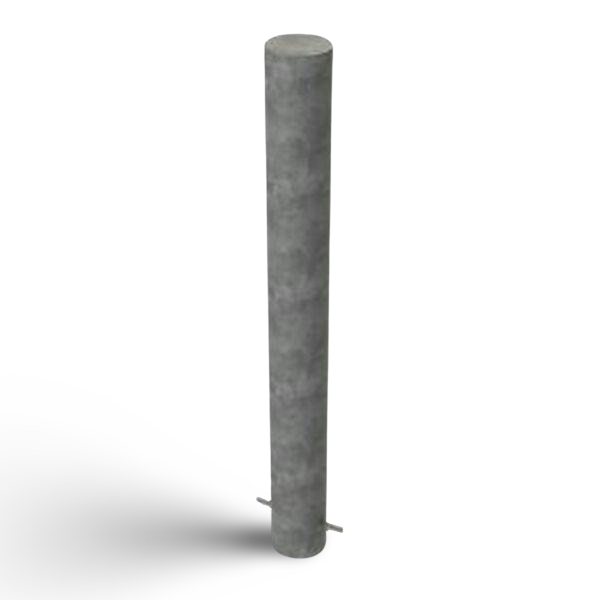
Steel Bollards
Steel remains one of the most popular bollard materials because of its strength and versatility.
Benefits include:
- High impact resistance
- Strong structural performance
- Suitable for security applications
- Easy to powder coat
- Excellent durability
Galvanised steel is particularly popular for outdoor environments.
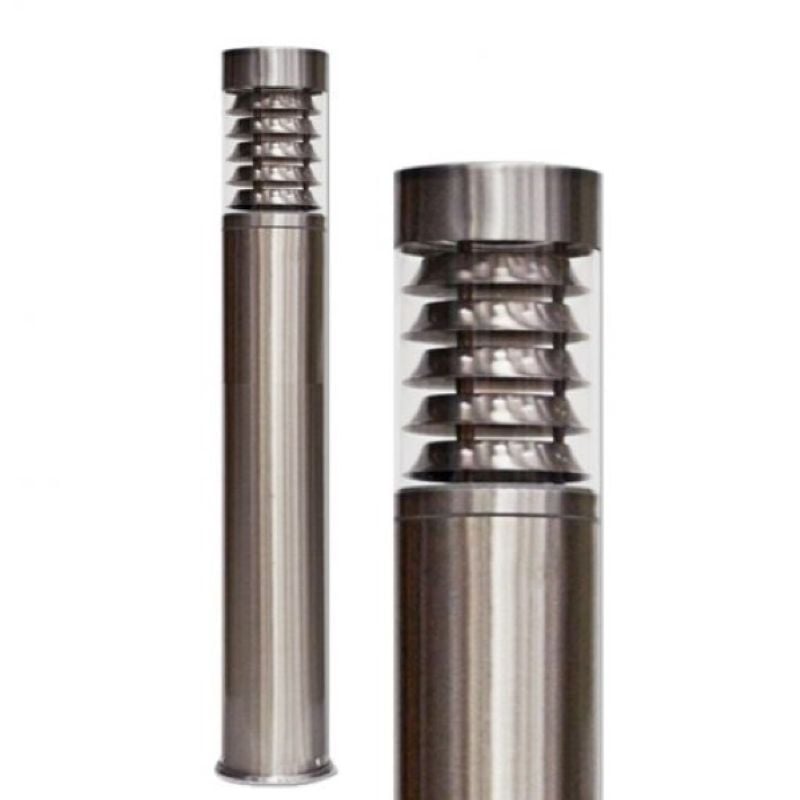
Stainless Steel Bollards
Stainless steel bollards provide a premium, modern appearance.
Advantages include:
- Excellent corrosion resistance
- Minimal maintenance
- Contemporary appearance
- Long lifespan
Grade 316 stainless steel is especially suitable for coastal environments.
Cast Iron Bollards
Cast iron bollards are ideal for heritage and conservation areas.
Benefits include:
- Traditional appearance
- Excellent durability
- Heavy construction
- Strong vandal resistance
They are commonly used in historic town centres and civic projects.
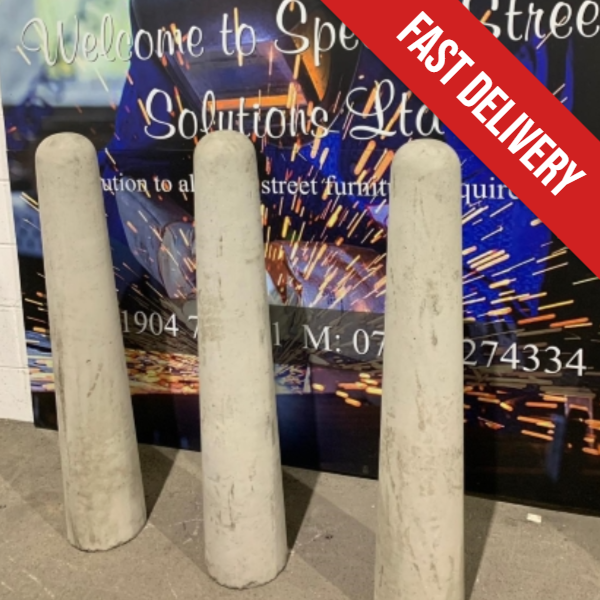
Concrete Bollards
Concrete bollards provide weight, permanence, and excellent durability.
Advantages include:
- Extremely robust
- Minimal maintenance
- Long lifespan
- Strong visual presence
Concrete bollards are often used in:
- Parks
- Civic spaces
- Public squares
- Universities
- Government buildings
Polyurethane Bollards
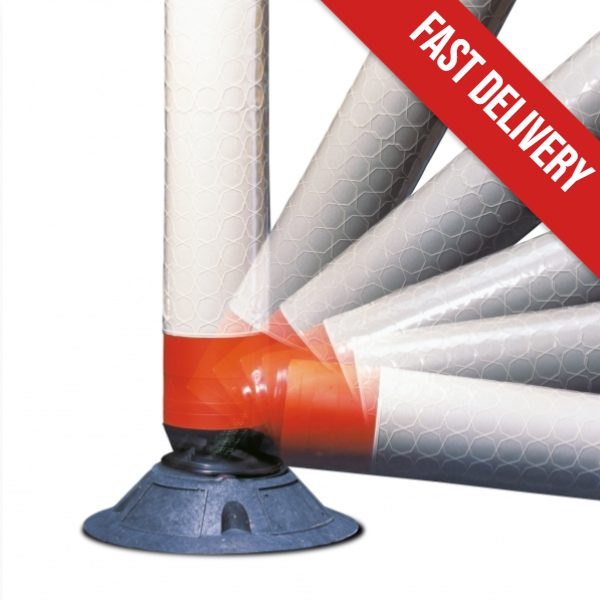
Polyurethane (PU) bollards are flexible and impact-resistant.
Benefits include:
- Flexibility after impact
- Lightweight construction
- Bright colour options
- Corrosion resistance
- Reduced vehicle damage
They are ideal for:
- Car parks
- Warehouses
- Distribution centres
- Loading bays
Recycled Plastic Bollards
Recycled plastic bollards offer a sustainable, low-maintenance option.
Advantages include:
- No rusting
- No rotting
- Minimal maintenance
- Strong weather resistance
- Environmentally friendly
They are often used in:
- Parks
- Schools
- Pathways
- Eco-conscious developments
Timber Bollards
Timber bollards provide a softer, more natural appearance.
They are commonly used in:
- Parks
- Trails
- Nature reserves
- Rural developments
- Heritage settings
Hardwood timber bollards offer better durability and longevity than softwood alternatives.
Bollard Installation Methods
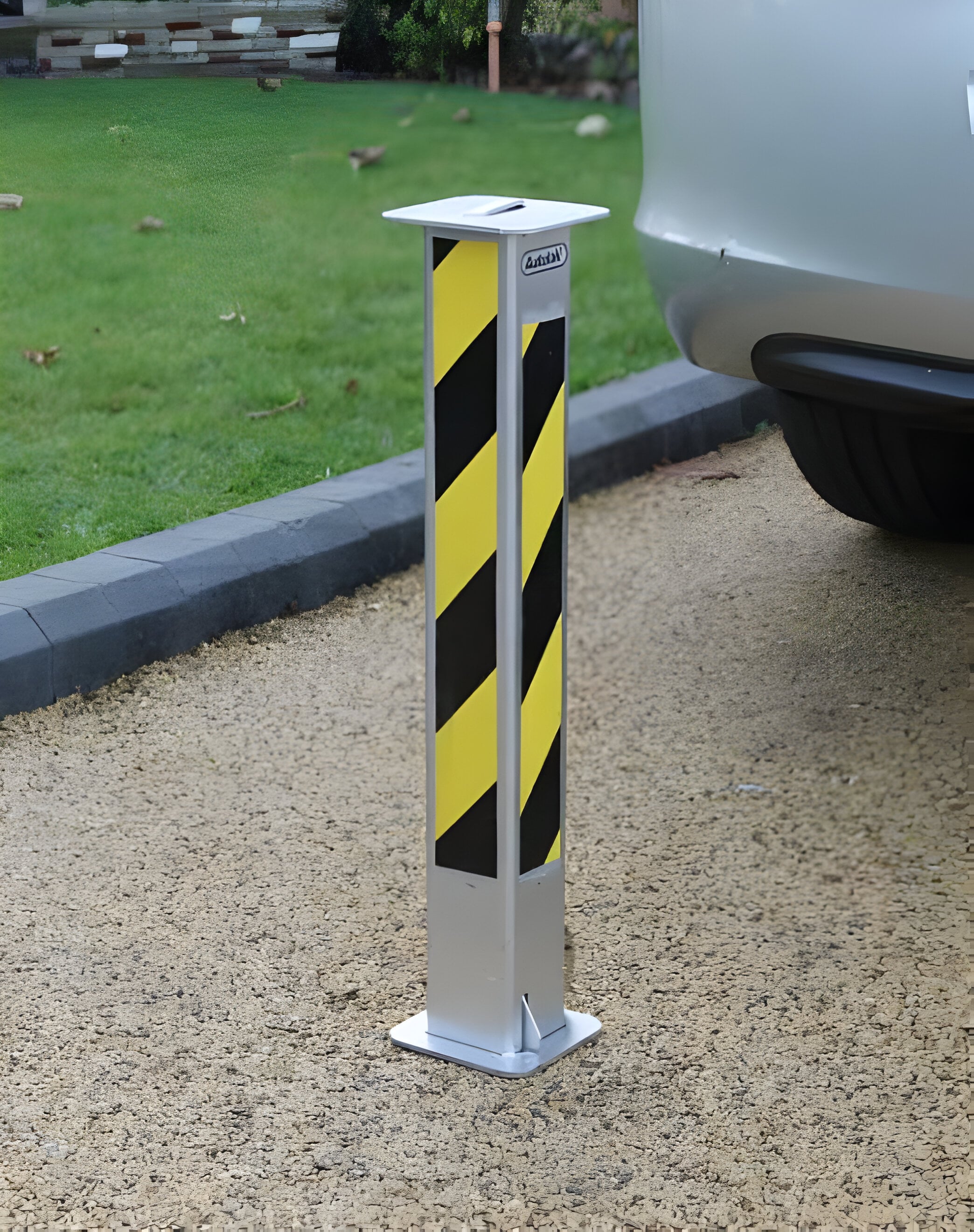
Surface Mounted Bollards
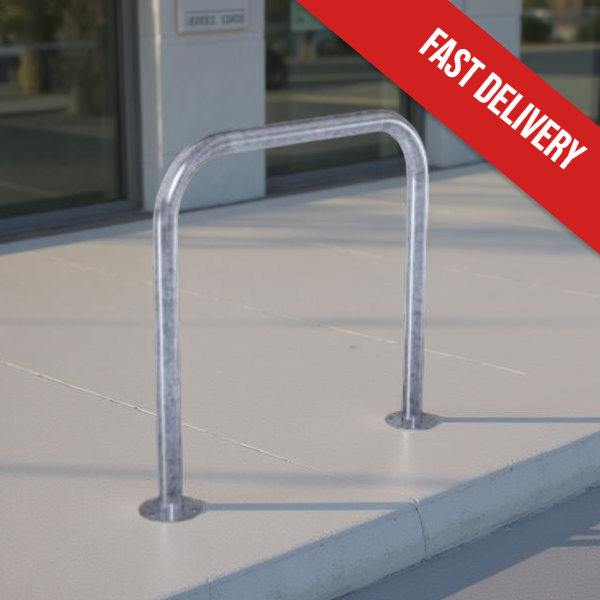
Surface-mounted bollards are fixed directly onto concrete or paved surfaces using anchor bolts.
Advantages include:
- Faster installation
- Minimal groundworks
- Easy replacement
- Reduced disruption
Suitable for:
- Existing hard surfaces
- Temporary installations
- Commercial premises
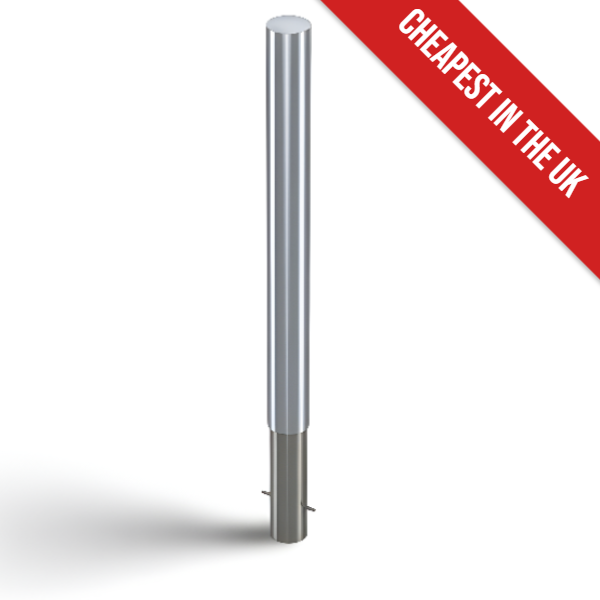
Root Fixed Bollards
Root-fixed bollards are installed directly into concrete foundations below ground level.
Benefits include:
- Maximum stability
- Strongest installation method
- Cleaner appearance
- Excellent impact resistance
Ideal for:
- Public spaces
- High-security sites
- Streetscapes
- Permanent installations
Removable Bollard Systems
Removable systems use ground sockets that allow bollards to be lifted out when required.
Suitable for:
- Shared-use spaces
- Temporary access routes
- Event management
- Emergency vehicle access
Retractable Bollards
Retractable bollards lower into the ground manually or automatically.
These systems are ideal for:
- Controlled vehicle access
- Private developments
- Commercial entrances
- Security-sensitive sites
Design & Aesthetic Considerations
Bollards should complement the surrounding environment as well as provide protection.
Design considerations include:
- Shape
- Height
- Finish
- Colour
- Reflective elements
- Decorative detailing
- Integrated lighting
- Branding
Architectural bollards can significantly improve the visual appearance of public spaces when selected carefully.
Regulations & Spacing Guidelines
Correct bollard spacing is essential for both pedestrian movement and safety.
Recommended Bollard Spacing
UK guidance generally recommends:
- Maximum 1200mm clear gap between bollards
This spacing helps maintain accessibility while preventing vehicle access.
Accessibility Considerations
Bollard placement should not obstruct:
- Wheelchair access
- Pushchairs
- Mobility scooters
- Emergency routes
- Pedestrian flow
Good visibility and clear contrast are also important for partially sighted users.
Security & Anti-Ram Bollards
High-security bollards are designed to resist vehicle impact.
Important considerations include:
- Crash testing certification
- Foundation requirements
- Vehicle threat level
- Access requirements
- Integration with access control systems
Anti-ram bollards are increasingly used around crowded public spaces and critical infrastructure.
Coastal & Corrosion Protection
Coastal environments require additional protection due to:
- Salt air
- Moisture
- Corrosion risk
Recommended coastal solutions include:
- Hot-dip galvanised steel
- Marine-grade stainless steel
- Powder-coated finishes
- Corrosion-resistant fixings
Grade 316 stainless steel is often the preferred material for coastal projects.
Sustainability & Environmental Considerations
Sustainable bollard options are becoming increasingly popular.
Eco-conscious choices include:
- Recycled plastic bollards
- Sustainably sourced timber
- Long-life materials
- Recyclable steel
- Low-maintenance products
Long-lasting bollards often provide the best environmental value by reducing replacement frequency.
The History of Bollards
Bollards originally evolved from maritime mooring posts used on docks and ships.
Historic bollards were often made from:
- Timber
- Cast iron
- Repurposed naval cannons
Over time, bollards became essential urban safety products used to protect pedestrians and organise streets.
Today’s bollards combine:
- Security
- Design
- Sustainability
- Accessibility
- Modern manufacturing
Why Choose Speedy Street Solutions Ltd?
Speedy Street Solutions supplies high-quality bollards and perimeter protection products throughout the UK.
We support:
- Councils
- Contractors
- Schools
- Retail parks
- Public sector projects
- Commercial developments
- Industrial sites
- Public realm schemes
Our bollard range includes:
- Steel bollards
- Stainless steel bollards
- Timber bollards
- Concrete bollards
- PU bollards
- Recycled plastic bollards
- Decorative bollards
- Security bollards
- Telescopic bollards
- Removable bollards
Customers choose Speedy Street Solutions because we offer:
- Competitive pricing
- UK-wide supply
- Durable commercial-grade products
- Expert technical advice
- Bespoke solutions
- Fast lead times
- Installation support available
Bollards FAQs
What is the purpose of a bollard?
Bollards are used to protect pedestrians, buildings, and infrastructure while controlling vehicle access and improving safety.
What is the strongest type of bollard?
Crash-rated anti-ram bollards provide the highest level of vehicle impact protection.
What material is best for bollards?
Steel is one of the most versatile and durable materials, while stainless steel is ideal for coastal or architectural applications.
What is the difference between removable and retractable bollards?
Removable bollards are lifted out completely, while retractable bollards lower into the ground when access is needed.
Are bollards available in custom colours?
Yes. Many bollards can be powder coated in a wide range of RAL colours.
Which bollards are best for coastal areas?
Marine-grade stainless steel and galvanised steel with protective coatings are best suited to coastal environments.
How are bollards installed?
Bollards can be surface mounted, root fixed, removable, or retractable depending on the application.
Do bollards require maintenance?
Most bollards require only occasional cleaning and inspections, although retractable systems may require more regular servicing.
Are environmentally friendly bollards available?
Yes. Recycled plastic and sustainably sourced timber bollards are increasingly popular for eco-conscious developments.
For expert advice on bollards, perimeter protection, and street furniture solutions, contact Speedy Street Solutions Ltd today.